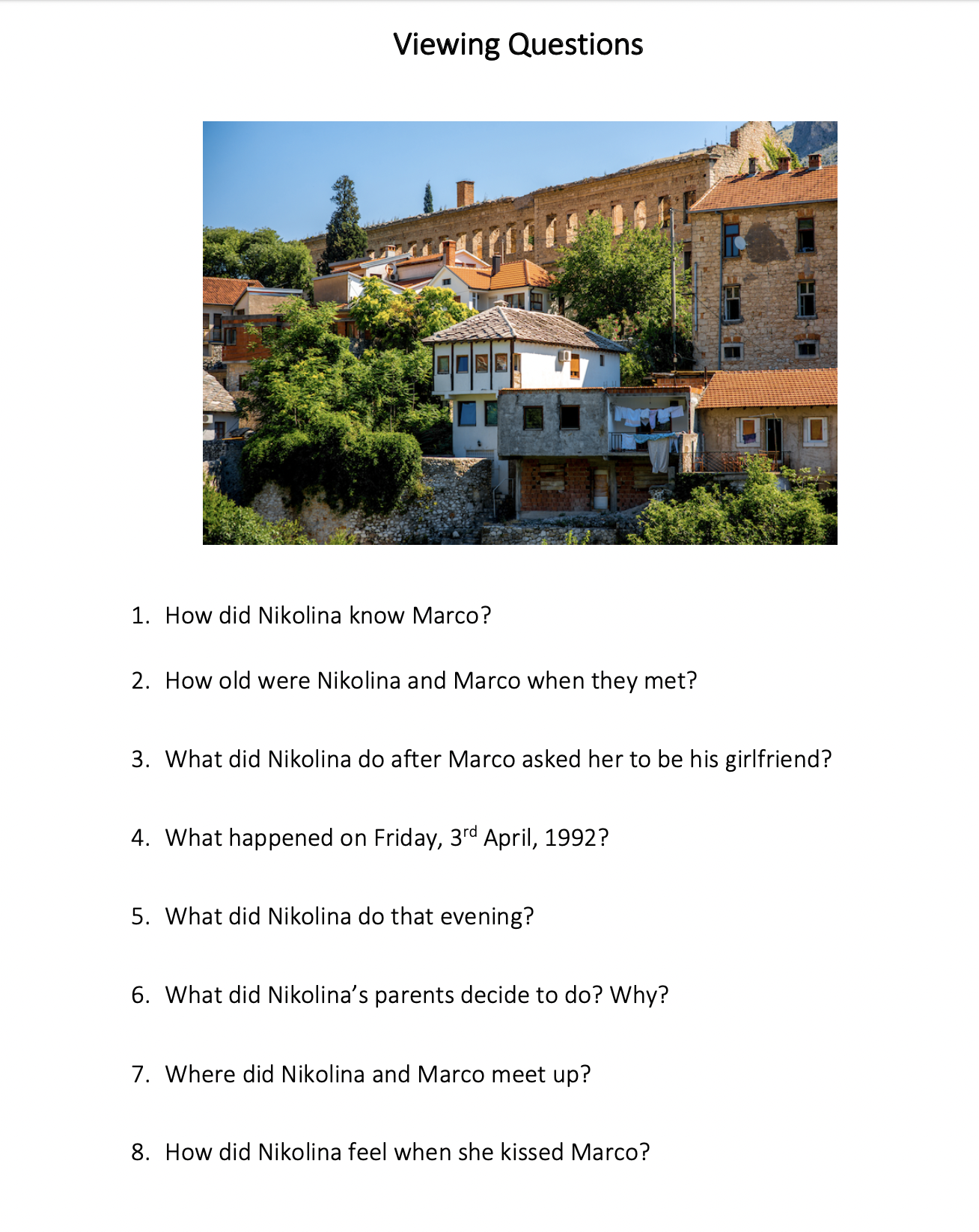


Background:
The roots of the Yugoslav Wars can be traced back to the complex ethnic,
religious, and historical tensions among the various ethnic groups that inhabited Yugoslavia,
including Serbs, Croats, Bosniaks (Bosnian Muslims), Albanians, and others. The death of the
dictator Tito in 1980, who had managed to keep these tensions under control, marked the beginning
of Yugoslavia's end.
Crisis in Slovenia,1991
The first war began in June 1991 when Slovenia, declared
independence. This resulted in Slovenian independence.
Croatian War of Independence,1991-1995
Croatia's declaration of independence in June
1991 led to a long, brutal war. The conflict saw widespread ethnic violence and displacement.
Bosnian War 1992-1995
The Bosnian War was the most devastating of the Yugoslav
Wars. Bosnia and Herzegovina declared independence in 1992, starting a brutal conflict involving
Bosniaks, Croats, and Serbs. Ethnic cleansing, genocide, and siege warfare happened in this war,
leading to significant loss of life. In the end, Bosnia and Herzegovina established as a complex,
multi-ethnic state.
Kosovo War, 1998-1999
The Kosovo War erupted when the Kosovo sought independence
from Serbia. NATO intervened in 1999, launching airstrikes against Serbian forces. The conflict
ended with the withdrawal of Serbian forces from Kosovo, which subsequently became a UN-
administered territory.
Montenegro's Independence, 2006
While not a direct part of the Yugoslav Wars,
Montenegro held a referendum in 2006, leading to its peaceful separation from the state union with
Serbia.
Aftermath
The Yugoslav Wars left a legacy of ethnic hatred, trauma, and economic
devastation. The region faced the challenge of post-war reconstruction, reconciliation, and the
pursuit of EU and NATO membership.
Where Are They Now?